


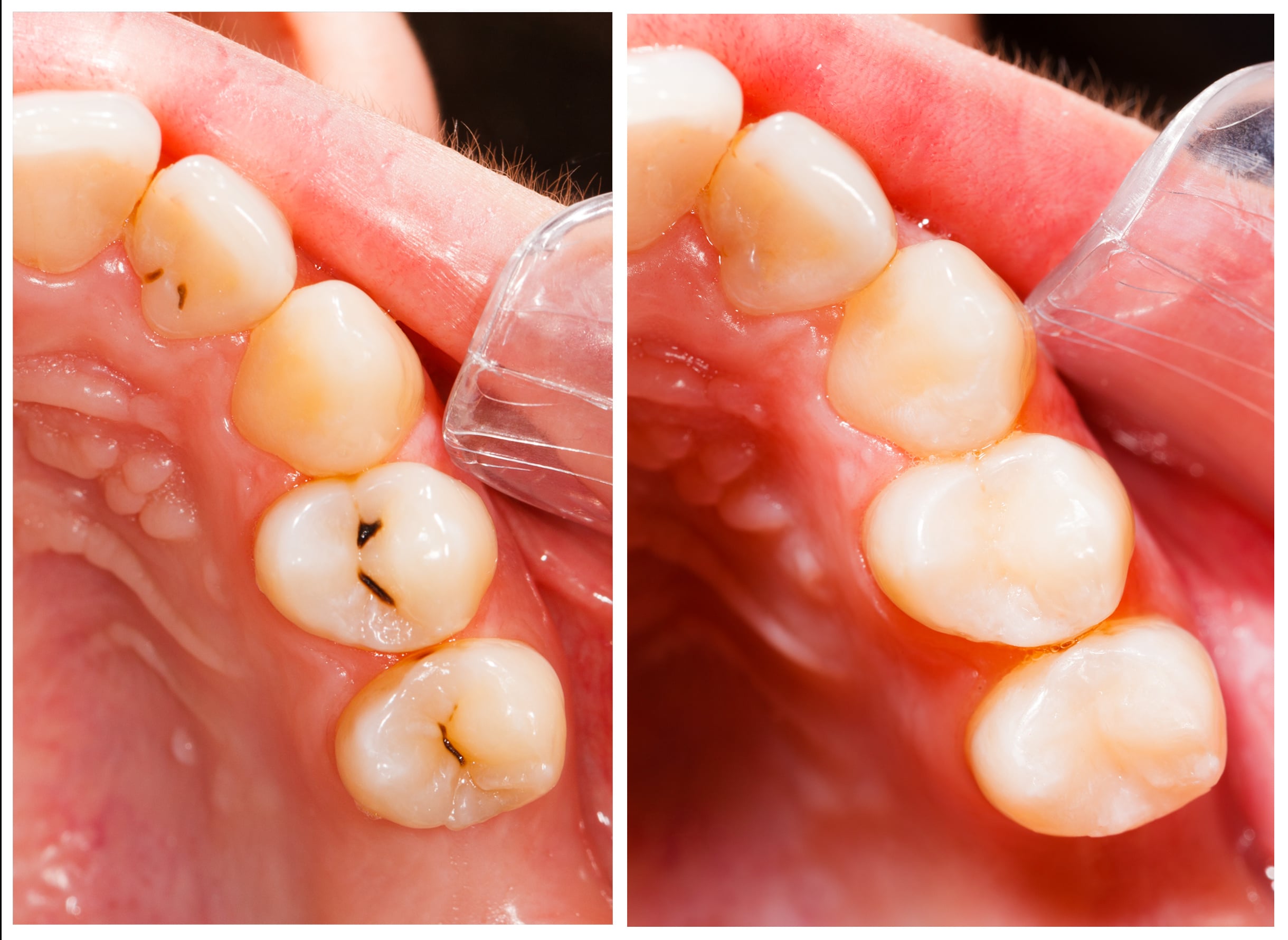
A cavity diagnosis is one of the most common reasons families visit Tailwind Pediatric Dentistry, and it usually comes with a handful of the same questions: how bad is it, what will treatment involve, and could it have been avoided? Understanding how cavity treatment works, and where the line sits between decay that can be managed and decay that requires a dentist’s care, makes the next appointment feel a lot less intimidating.
What Is Tooth Decay, and Why Does Cavity Treatment Matter?
A cavity forms when acids produced by bacteria in plaque wear away a tooth’s enamel, eventually creating a hole. Left untreated, that damage tends to spread deeper into the tooth, which is why prompt cavity treatment matters for kids and adults alike. Catching decay early keeps treatment simpler and helps protect the surrounding tooth structure.
Common Tooth Cavity Treatment Options
Tooth cavity treatment isn’t one-size-fits-all. A dentist chooses an approach based on how deep the decay has progressed, which tooth is affected, and the patient’s age. Typical options include:
- Fillings, the most common tooth cavity treatment for decay that hasn’t reached the tooth’s inner layers.
- Crowns, used when a cavity has weakened a large portion of the tooth.
- Root canal treatment, needed if decay has reached the nerve or pulp.
- Extraction, generally reserved for cases where the tooth can’t reasonably be restored, which is more common with certain baby teeth.
A pediatric dentist can confirm which option fits a specific case after an exam and, often, an X-ray.
Can Cavities Be Reversed? Understanding Early-Stage Decay
Can cavities be reversed? The honest answer depends on the stage of decay. In the very earliest phase, before enamel actually breaks down into a hole, some demineralization can be halted or partially remineralized through consistent fluoride exposure, better brushing habits, and reduced sugar intake. This early window is really the only stage where the term “reversed” reasonably applies.
Can You Reverse a Cavity Once It Has Formed?
Once enamel has broken down and an actual hole exists, the answer to can you reverse a cavity is no. A true cavity does not heal itself, because the tooth structure that has already been lost cannot regenerate on its own. At that point, professional cavity treatment is the only way to stop the decay from progressing further.
Can Cavities Go Away on Their Own?
This is closely related to whether decay can be reversed, and the answer follows the same logic. Can cavities go away without any intervention? Only if caught at the very earliest, pre-cavity stage of demineralization, and even then it takes deliberate changes in oral hygiene and diet, not simply time passing. Once a cavity has fully formed, it will not resolve on its own and tends to get larger without treatment. This is one of the main reasons dentists recommend regular checkups: it’s much easier to catch decay while it can still be managed conservatively.
How Long Does It Take to Fill a Cavity?
Parents often want a realistic sense of how long does it take to fill a cavity before scheduling around a child’s day. In general, a straightforward filling is a relatively quick, in-office procedure, though the exact time depends on the size and location of the cavity, how many teeth are being treated, and how a particular child responds to the process. The dental team at the time of the appointment is best positioned to give a specific estimate based on the exam findings.
Treatment for Cavities: What to Expect at the Appointment
Treatment for cavities generally starts with numbing the area, removing the decayed portion of the tooth, and then filling or restoring the space with a dental material matched to the location and size of the cavity. For pediatric patients, dentists often take extra steps to keep the visit comfortable, since a positive first experience with cavity treatment can shape how a child feels about dental visits going forward.
Aftercare is usually straightforward. Mild sensitivity for a short period after the appointment is common, and the dentist will provide guidance on eating, drinking, and oral care specific to the treatment performed. Schedule an appointment with us or call the office for more information.